Friday, January 4, 2013

WINGS: The Transformation of Delinquent Girls


Maybe they’ve been beaten, molested, or witnessed severe violence.   Maybe they’ve suffered abandonment or neglect or seen parents go to prison.  One way or another, they are troubled girls, and they’ve gotten entangled with the law:  drugs, shop lifting, major theft, maybe assault or battery.  One-third have committed felonies. On average, they’ve been arrested eight times, convicted four.  Worse, they’re young – as young as 14 – and they’re all either pregnant or already mothers.    So now they’ve been sent to WINGS, the only Florida juvenile detention facility where girls 14-19 can stay with their babies.
The girls will stay here for an average 9-12 months.   They will go to school, learn life skills and have intensive counseling. They will keep their babies with them after they’re born, learn how to nurture and care for them, and in the process they will break the cycle of crime, violence and poverty they grew up in.  When they leave, they will be transformed.  Eighty-nine percent will leave delinquency behind them to become successful, responsible mothers and citizens.  

“Juvenile justice is starting to get that they’re in the business of treatment, not punishment,” says Karen Marcus, LMHC, CAP, Executive Director of WINGS.  “[The courts] recognize that the girls are not adults and that kids don’t just behave this way because they’re bad.”  
They are girls like Monica*, abandoned by her mother at age 5, then again by her grandmother at age 15.  Between the ages of 15 and 18, Monica lived in 20 different foster homes, ran away repeatedly, smoked a lot of weed to dull her pain, let her grades fall from A’s and B’s to D’s and F’s, and got arrested for burglary, grand theft and criminal mischief.

Like Monica, the girls often suffer from substance abuse, eating disorders, underlying mental illness, and gang affiliations.  They are inept at solving problems and have poor values.  Yet most are resilient and can blossom in a properly constructed environment.  Consequently, their detention focuses on understanding the trauma they experienced and providing the therapy and education they need to change.
The WINGS Campus
The WINGS facility, which looks like anything but a jail, occupies a sprawling landscaped campus in Homestead, FL, that can accommodate 20 girls and 12 babies.  The campus houses a fully licensed daycare center for  children up to age 2, school rooms, counseling and treatment rooms, and two dormitories – one for the girls while they’re pregnant and one for those who have already given birth.    They live two to a room, which they decorate themselves.

Two Girls and Their Babies Share a Room
A typical day at WINGS begins at 6:00 a.m., when the girls get up and dressed, do chores, get baby ready for the day and have breakfast.  They’re in school until 12:30 or 1:00.  After lunch, they go outside for recreation, followed by afternoon activities, which might include Healthy Start, trauma group, a field trip offsite.  By 5:00 they’re back in, showering and getting babies ready for the night. Dinner is at 6:00. Quiet time, maybe phone calls to family, follows.  They’re in bed at 9:00.
Rules are strict and demands restrictive.  Buildings are locked (though rooms within buildings are not), and supervising staff must know where the girls are and what they are doing at all times. The girls must ask permission before entering or exiting a room. Items that could be used as weapons – even everyday objects like pencils --  must be checked out and returned to a central location by a predetermined time.  In concert with the basic principles of behavior modification, everything the girls do is rewarded or punished: the way they speak, the way they relate to each other, the way they perform everyday activities.   There is a complex system of rank, each with a set of requirements that must be met in order to move up, and points, which are earned for meeting or exceeding expectation as they go about their tasks.  As the girls rise in rank and accumulate points, privileges mount. 

While demands are severe, support is consistent and unfaltering.  
“The staff never gave up on me,” said eighteen-year-old Jackie[*], one of two girls looking forward to release in January.  “They just kept reinforcing that I needed to change.  They said, ‘you can do good or you won’t.’ But they never left it alone. Having that kind of support and having all the resources – we had so many groups. It’s like they genuinely cared and they just showed us the right way, and it makes you want to change.”
One secret to WINGS success is this transformative combination of strict and demanding expectation together with unwavering, caring support.  The second is each girl’s personal prescription for growth and development. Every girl begins her stay at WINGS with an individualized plan she must complete before she is released. This plan covers medical care and health education, mental health counseling, academic education, and parenting education.

Beyond attending all medical appointments for herself and her baby, her medical plan might include, learning what to expect from her medical appointments and how to voice her concerns, developing the skill to advocate for herself and her baby with healthcare providers, actively participating in planning for her release by identifying the professionals she will see.

Each girl’s educational plan is based upon her academic level, which could be anywhere from 7th grade to 12th. Some have not been in school in years. Others require special education.   In general, the goal is to move everyone up one grade level, or, if they’re in high school, to obtain high school credits or a GED. Focus is on gaining competency in basic skills (English, math, science) as well as life skills (goal setting, life planning, budgeting, check writing), critical thinking and problem solving.
Depending on her history and diagnosis, each girl has specific therapy goals governing anger and other mood management, behavior management, control of anxiety and depression.  Placed in groups according to diagnosis, the girls work to process their history and address such issues as substance abuse or sexual trauma.  Each girl’s plan includes a family component incorporating, if appropriate, baby’s father. 

Group therapy takes place daily. Among other tasks, the girls write the story of their personal past, present and future.  In the process they explore how the trauma they experienced influenced the decisions they make now and the kinds of changes they want to make based on their new understanding. While group therapy takes place daily, individual and family therapy (and/or therapy with baby’s daddy) take place at least once a month, more often if needed.
Parenting education plans take on a more uniform shape. Healthy Start, through the University of Miami, provides a formal curriculum of prenatal care, childbirth and development, breast feeding, basic infant care, infant safety, and the like.  Equally, if not more, important is the role of the infant mental health specialist, who teaches the art of nurturing, which is difficult for all teenage mothers and especially so for this population.

Like most teens, the WINGS girls tend to be egocentric, impulsive, and lacking in sensitivity.  To compound these problems, most have had poor parental role models, little nurturing, and poor nutrition.  The infant mental health specialist helps the girls break this pattern.  While they are pregnant – when they are feeling frightened and vulnerable and are therefore receptive – she helps them see how their own childhood experiences harmed them and how changing the pattern will make life better for both them and their babies. They talk about the importance of eye contact and verbal communication with baby.  The girls learn about child development, appropriate expectation and constructive discipline. What does discipline mean?  Why don’t we hit our children? Why do we talk to our children?  What expectations are appropriate at different ages?
While they are pregnant, the girls must write three baby songs, and read and sing to baby.  Because research shows that teen moms tend to put their babies down and walk away, WINGS moms don’t wheel their babies in a stroller. They carry their babies in a sling or carrier to underscore the importance of holding baby and paying attention to her.  They develop patience by learning that crying is normal (not a reflection of their poor parenting) and how to interpret baby’s cries.   When the girls hold their babies and peer into their eyes, their attachment and communication are palpable.

Mama and baby
The transformation that takes place is best seen through the eyes of the girls completing the program.  Jackie spent eleven months at WINGS following an ugly period on the street and involvement with drugs.  She is sweet, poised and soft-spoken – a far cry from the girl who, by her own acknowledgment, arrived angry and combative.   Initially she resisted the help offered to her and had her time extended twice for bad behavior.  “I had the idea,” she said, “that this would be just like my two previous programs. That I could just do whatever I felt like it and go home, that I wouldn’t have to work on anything too deep, that I could get away with just talking about surface things.  I didn’t expect that I would actually change.”   But she ultimately gave in and focused on herself and her baby.

”I had a hard time with that,” she acknowledges.  “I wasn’t ready to think about everything in my past, but with nothing but time and a therapist who wasn’t going to let me clam up or talk about the weather, I ended up working on issues that, if I hadn’t realized I had, would have slowly led me to my grave.”

While at WINGS, Jackie completed her GED and has been accepted to a community college, where her four-month-old baby will receive free childcare. Jackie plans to become a paralegal and one day a lawyer.
Monica, now out of the program for 2 years, is mature and insightful about her past.  She has nearly completed her AA degree. Her two year old daughter is thriving, and Monica is in a healthy, committed relationship.

Graduation -- A Triuimphant Moment
WINGS,  a 501 (c) (3) not for profit organization, is an affiliate of the not-for-profit AMIKids, Inc., which specializes in rehabilitating troubled youth. WINGS operates with a staff of 31, including two teachers supplied by the Miami-Dade County Public Schools, a pediatrician and two nurses, a mental health staff of 7 (4 full-time), childcare center staff, and direct care staff, who supervise and coach the girls day and night.
Budget is just under $1 million, most of which goes to staff salaries.  Overhead consumes 15-20%.   Under contract with the Florida Department of Juvenile Justice, WINGS receives most of its funding from the State and the Miami-Dade County Public Schools. Because the babies are not in State custody, this funding does not cover the babies’ costs.  The childcare center receives some funding from the Teenage Parent Program (TAPP), which provides childcare financial assistance to students enrolled in Miami-Dade County Public Schools. But, says director Marcus, “There’s no way you could run your childcare on this allocation.”  To supplement government funds, WINGS relies on private foundation grants and tax-deductible donations. One hundred percent of these funds go directly to supporting program.

AMIKids WINGS South Florida
11000 SW 220 St
Miami, Florida 33170
Office: 305-256-6275
Fax: 305-256-6278
www.wingssfl.org


[*] Not her real name

Monday, October 29, 2012

MUJER: A Refuge from Abuse in Rural South Florida


For Susan Rubio Rivera, who grew up in rural South Miami-Dade County, founded MUJER and has served as  executive director since its inception, sexual abuse and domestic violence are personal. From the age of five, she watched as her alcoholic father brutally beat her mother.  Week after week the ritual persisted until Susan’s mother, beaten bloody and wearing only her underwear, took Susan and her sisters and fled to her parents’ home. There, her grandfather ruled with an iron fist and a strong sense of entitlement.   Susan and her sisters became his servants by day and his victims by night as he molested them one by one.
Years later, having formed a support group of Hispanic women from diverse backgrounds, Susan discovered that although the members represented a variety of cultures (Mexican, Mexican American, Cuban, Ecuadorian Costa Rican, and more), many shared one common ordeal: abuse.  Yet the nearest services for victims were 30 miles away, in Miami.  In that support group Susan’s dream of rescuing women from brutality and helping them build a safe, secure life was born.  Since 1997, MUJER – Women United in Justice Education and Reform – has been a haven from domestic violence and sexual abuse for the Hispanic women and children of South Dade.

In this impoverished community of laborers from Mexico and other Latin American countries, fifty-six percent earn less than $3,000 a year, and many have no more than a fifth grade education.  Abuse -- physical and sexual  -- is rampant. Yet the pervasive culture dictates acceptance, silence and a blind eye.
“Our culture said if you’re married you have to stay in this relationship,“ said Susan, whose father and grandfather were farm workers. According to cultural dictates, a woman could live with her parents or her husband, but never on her own. If she married an abusive man, too bad.  

Moreover, she added, “Whatever happened at home stayed at home. Society accepted, Nobody was going to interfere even if they knew. Even if [a woman] had been screaming and yelling, nobody would have interfered because it wasn’t OK to interfere.”
With MUJER, Susan set out to establish a new norm, and with a $20,000 grant from the Governor’s office on domestic violence, MUJER began to educate the community.  They went into the middle and high schools and talked about healthy relationships and dating violence.  They reached out to the adults as well.  They developed a series for couples on building  successful relationships,  communication, sexuality and intimacy – subjects that were unheard of in these communities. For parents, discussion focused on the laws governing physical and sexual abuse  and how to discipline children effectively without beating them.   

To entice attendance, they held the sessions close to where the participants lived – in backyards, community centers and church parking lots.  They provided childcare, served dinner, and offered a $100 stipend to anyone who attended all 10 classes.  At the end, they celebrated completion with a ceremony and certificates.  For some who attended, this was the first certificate of any kind they had ever received, and it was a very big deal.  Both courses drew 90% attendance, and they were transformative.
Toward the end of the couples’ classes, one of the participants called to say she and her husband were celebrating their anniversary and asked for help making a certificate for him.  Meantime, her husband bought flowers to present to his wife in class.  Susan reported that this macho Mexican man stood before the class and told his wife, “There are only 11 roses in this bouquet because you are the 12th rose.”

With additional grant money, MUJER expanded their program to offer victim advocacy and individual counseling.  Within half a dozen years, MUJER had developed a family violence prevention network – 10 core organizations which work together to provide comprehensive services including law enforcement,  daycare,  after school programs, emergency assistance, housing and more.  More than a loose affiliation of community organizations, this is a formal working collaborative that meets regularly and partners on grants.  In addition, MUJER works with at least 25 other organizations on an unofficial collaboration. For example, the South Dade Skill Center, an arm of the Miami-Dade County School Board, provides academic and vocational training. WeCare offers assistance paying utility bills. Carrfour Supportive Housing provides emergency shelter   
Today, MUJER’s clinical department offers individual and group counseling.  A team coordinator together with the client identifies all the services the client and her children need. The coordinator then connects the family to appropriate resources and meets regularly with the team to discuss progress and needs.  Needs vary among families and might include a church pastor, school counselor, or other agency.  For example, Legal Aid can help a survivor of domestic violence secure a restraining order and can provide the legal services associated with divorce, child custody and property rights.  If the client is a  battered immigrant, she is  referred to VIDA for help getting permanent residency for herself and her children.  A victim’s advocate helps the client understand her rights, supports her as she traverses the judicial system, helps to keep her safe from her perpetuator and meets a variety of other needs.   Physical and spiritual wellness rounds out the program. 

Ana Obregon, herself a product of the migrant worker community and a survivor of domestic violence, currently works as MUJER’s care coordinator and director of community education.  While she praises the comprehensive care MUJER provides its clients, she says its most valuable services are the self esteem and sense of empowerment it brings to its clients.  These qualities emerge, she says, during the process of listening to the women, accepting them for who they are without judging them, validating their experience, and offering them encouragement and support as they work through their issues.  Self-worth is further reinforced when they see that their advocate is available to them around the clock, taking them to court and answering their calls at any hour of the day or night.
“We don’t just take a victim and try to help them by taking them by the hand. We show them. We empower them,” she said.

Susan illustrates this empowerment with the story of a mother whose son was molesting his sister. Susan told the mother that the law required reporting the behavior to the police and offered the mother the opportunity to make the call.  If the mother made the call herself, it would be better for the children.  If Susan made the call, the boy would be arrested and the girl would be taken into foster care.   Difficult though it was, the mother took Susan’s advice. Although the son was picked up by the police, he was placed in a special program where he received treatment. The daughter also received therapy and was permitted to remain at home with her mom.

Empowerment is further enhanced when the clients are encouraged to give back to the community. Several, for example, worked with Catalyst Miami on a Penny Wise campaign to preserve vital community services. They addressed the County Commission, told their stories, and explained why MUJER deserved continued funding.

In the 15 years that MUJER has been operating, the people of South Dade have grown less accepting of abuse.  In 2011, MUJER embraced 908 new clients.  While the organization does get referrals from other agencies, 68% walked in on their own.

MUJER’s  full-time staff  includes six direct service providers, two victims’ advocates and one intern. In addition, four therapists work 30 hours a week on contract.  Clients receive services for free. 
Annual budget is about $800,000, but the collaborative relationships described above effectively stretch those dollars three fold. Funding comes principally from grants.  In addition, Legal Aid and VIDA rent space in MUJER’s Naranja offices, providing some income to MUJER and one-stop shopping for clients.  Still other income comes from providing domestic violence workshops to the Children’s Home Society and therapy to TRICARE, which provides healthcare services to the military.  Additional revenue raising initiatives are planned for the future.

MUJER
27112 S. Dixie Highway
Naranja, FL  33032.
P.O. Box 900685
Homestead, Florida

305-247-1388
www.mujerfla.org


Wednesday, August 29, 2012

Womankind: Wonderful Healthcare for Women in Need

Behind the rollicking façade of female impersonators, Ernest Hemingway look-alikes and margaritas in the morning, Key West hides a community where everyday people work 2 or 3 jobs just to put food on the table. Although the unemployment rate is an enviable 4.4%, the economy is anchored in low-paying work that does not provide benefits.   Consequently, a staggering 40% of employed adults under age 65 (compared to the national average of 15%) have no health insurance.   Confounding the problem, Key West lies a slow, slogging four hour drive from the Florida mainland, where healthcare is more plentiful. In short, the population is largely poor, isolated, and sorely in need of healthcare.  Enter Womankind.

Founded in 2000, Womankind offers free or low-cost gynecological and primary care to about 2,000 women a year.  A 501 (c) (3) not-for-profit organization funded by grants and individual donations, this unique, wonderful center was founded by two compassionate nurse midwives who saw the and envisioned a place where women took care of women.  The very opposite of a stereotypical  clinic for poor women, Womankind offers prompt attention and compassionate, high quality care to rich and poor alike.  Every woman who calls for an appointment is seen within days and rarely sits in the waiting room for more than 15 minutes. She spends 20 minutes or more with a provider who listens attentively and relates to her holistically, stressing education and prevention and addressing all the physical, emotional and social factors that affect her health.
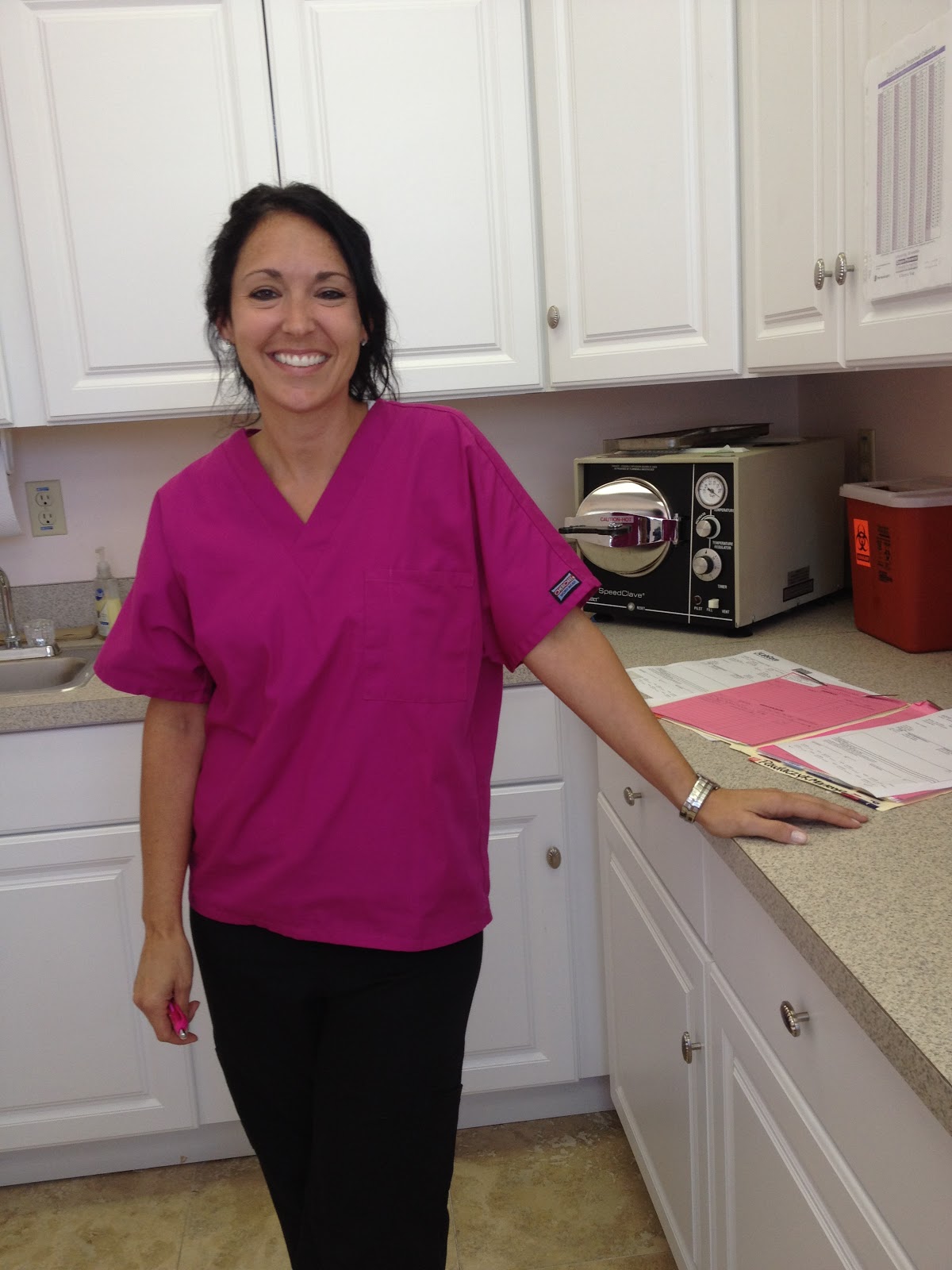
Nurse Practitioner Carolyn Daly (R) & Angelica Valdez, Hispanic Teen Outreach Coordinator/Front Desk
“I love that I can walk into the waiting room . . . and see one of our wealthiest donors waiting for her appointment while a hotel cleaning woman sits across the room waiting for the same,” said Betsy Langan, Womankind’s grant writer.
The formula is brilliant. Indigent women receive care for free.  Low-income women receive care based on a sliding scale. Women of means, who are drawn by the high quality care and warm atmosphere, pay full (though comparatively low) fare, which helps to subsidize the care of those less affluent. Care is also subsidized by government and community grants, individual donations, and special events.   As the proportion of low-income patients increased with the recent recession, Womankind introduced revenue raising services – spa treatments, weight loss seminars (scholarships available), and bioidentical hormone replacement -- to offset the growing imbalance of haves and have-nots. To further lower cost, care is provided by nurse practitioners under the supervision of a physician.     At the same time, Womankind offers free workshops on smoking cessation, stress reduction, cancer and heart disease prevention, and financial health to the entire community. And they reach out into the community providing sex education in the middle and high schools and free screenings in some of the poorest sections of town.  The net result is a center warmly embraced and strongly supported by the Key West community. 

As a result of broad based support, Womankind moved into a bright and spacious new home last year.  The space boasts a very Key West waiting room, where party lights ring the ceiling and a large bowl of free condoms sits atop a cobalt blue administrator’s desk;  a cozy, comfortable, extra-sound-proofed  room for mental health counseling; a spa room; and exam rooms each warmed by natural light.  While this attractive center is valuable to the entire community, it is most precious to those of limited means.
Fifty-five-year-old Danita Valdez is a case in point.  Between Danita, who works part time as a house cleaner, and her husband, who is disabled, the couple brings in about $500 a month, $142 of which covers the rent on their subsidized apartment.  Her annual tests at Womankind -- blood tests, pap smear and occult blood check – usually cost $75-80.  This year, however, that care was free.

“Evidently they had a little more money to balance with this time,” speculated Danita, who donates $20 or $25 to Womankind whenever she can spare the funds.
Like other patients, Danita especially likes the way her care is managed.  When she developed recurring respiratory infections, Womankind ordered numerous tests, some of which needed to be done at the hospital.  Womankind kept track,  followed up and called Danita with results.

Kristine Dion, age 34, also sings praises.   With a household of six and an annual income of $40,000 she could not afford medical care.
“They were amazing,” said Kristine, who was pleasantly surprised when she was treated with kindness and patience even though she qualified for reduced fees.   She is especially grateful for receiving a mammogram when a lump was discovered in her breast.

“They just took care of me very, very well,” she said.   
With federal Title X family planning funds, Womankind provides basic gynecological  care -- breast and pelvic exams, Pap smears and other cancer screenings, HIV testing, pregnancy testing and counseling, and affordable contraceptives -- for free to all girls under age 18 and to women living at or below poverty level  and on a sliding scale for women of low or moderate income.
 
TEST
OUR PRICE
Typical Price
Elsewhere
Pap Smear
$79
$75
Complete Blood Count (CBC)
$14
$38-60
Complete Metabolic Panel (CMP)
$19
$46-120
Thyroid Panel (T3,T4, &TSH)
$50
$240-280
Urine Culture
$24
$64-98
CA 125 (Ovarian cancer screen)
$30
$60-250
Lipid (cholesterol) panel
$24
$97
Pregnancy test (urine)
$12
$76


MEDICATION
OUR PRICE*
Typical Price
Elsewhere
Ortho TriCyclen Or Lo
$18
$45
Depo Provera
$53
$56
Valtrex (30 tabs)
$101
$366
Next Choice
$22
$31


With funding from the women’s advocacy organization Zonta, Womankind subsidizes mammograms. Womankind also offers primary and mental health care at flat but reduced rates.  The nurse practitioners treat minor illnesses like colds and urinary tract infections and manage easily controlled chronic diseases.  When disease diagnosis or the management of diabetes, thyroid problems and the like exceeds the nurse practitioners’ abilities, Womankind has funding to subsidize referrals to more sophisticated primary care or specialists.  Thanks to partnerships that Womankind has established, additional help comes from the local hospital and some specialists, who provide care to Womankind patients at significantly reduced rates.  What’s more, between medications offered in Womankind’s own pharmacy, medications provided by Publix supermarkets for free (to anyone, no questions asked), and prescription assistance programs to which Womankind helps patients apply, patients  can affordably obtain many of the medications they need.

Still, the staff recognizes an unmet need that they are seeking to fill: although Title X subsidizes gynecological care for indigent and low-income women, there is no comparable funding for primary care.  And while Womankind offers primary care at below market rates, there are many women in the community who cannot afford even these.  So the staff is investigating how they can parlay some of their grant money into subsidies for primary care.

Protecting the reproductive health of young girls is one of Womankind’s principal concerns.  Early on, the founding midwives discovered that the girls didn’t know how to protect themselves. 

“STD rates were going through the roof,” said Kim Romano, executive director. “The girls didn’t know how they got pregnant.  They didn’t know about their bodies.  They weren’t even having pleasure having sex.”
Today, Womankind reserves Thursday afternoons for teens, when the nurse practitioners can give them extra time and the girls can come in without having to worry about running into their moms’ best friends.    When rumors spread in the community that only bad girls came to Womankind, Kim built a teen advisory board to find out what the kids were thinking and what would make them feel comfortable.  That teen advisory board morphed into a survey posted on Facebook; a drawing for an iPad served as an incentive to fill it out.  Based on the results of the survey, Womankind will hold several “Pizza Presentations” during the school year to discuss birth control, body image, relationships and other concerns the survey highlighted.

 One 17-year-old spoke for many in a testimonial of appreciation she gave to Womankind. The daughter of two lesbian mothers who sought care for her when she became sexually active, she received contraception, contraceptive counseling, medical care and mental health counseling at Womankind.  After graduating from high school, she spoke about how Womankind helped her deal with the social pressures she felt as an attractive heterosexual girl.  Thanks to Womankind, she went off to college a strong, self-confident young woman.
As a result of its attention to adolescent reproductive health, 100% of Womankind’s teens tested negative for HIV in 2011, compared to Monroe County as a whole, where 50% of new female HIV diagnoses were in women under age 29.  Moreover, Womankind reduced the number of teens testing positive for reportable sexually transmitted infections by 64% between 2010 and 2011. And Womankind’s teen pregnancy rate is consistently lower than that of the state and the nation overall.

Separately, Womankind has improved the health of the community by giving care to women who would otherwise not get it. Typically, people without access to regular healthcare care rely on the emergency room for treatment of everyday illnesses. This practice raises the cost of routine treatments and strains the emergency room’s ability to care for people with real medical crises.  In addition, people without access to regular healthcare  are  typically sicker and incur costlier care when they do obtain treatment.  Womankind interrupts this pattern by keeping routine problems out of the emergency room, preventing serious illness, and diagnosing disease at an incipient stage, when cost is lower and prognosis better. Womankind diagnosed five cases of early breast cancer in 2011, giving a chance at life and health to five women who might not otherwise have it.

Tracy Bradach, Medical Assistant
Womankind boasts a staff of 12, including two nurse practitioners, a physician’s assistant, a mental health counselor, medical director, and auxiliary and administrative personnel. Annual budget is just under $900,000.
Womankind
1151 Truman Avenue
Key West, FL 33040
305-294-4004
www.womankindkeywest.org


Thursday, July 12, 2012

Power U: Improving the Health of Women, Families and the Community

In Miami’s Overtown community, where violence, drugs and hopelessness flourish, Power U is an oasis.  In this embracing, non-judgmental space, patient listening and encouragement abound. Here, a growing number of women who come from the immediate community as well as from others like it --West Coconut Grove, Miami Gardens, and Liberty City -- are finding acceptance, building self esteem, improving their personal plight, and working to better the neighborhood around them.

The vehicle is the Powerful Women and Families initiative aimed at helping women have healthy pregnancies and satifsying birth experiences, raise healthy babies, and become activists working to better their community. The program was born in 2010 out of the reminiscences of community elders recalling the days when midwives provided primary as well as prenatal care, delivered babies, and helped new mothers. Back in the day, midwives were central to the healthcare of the African American community, especially in the South, where there was no access to mainstream medicine. Since the mid-20th century, when midwifery declined, premature births, infant mortality, and the number of c-sections have increased.  Moreover, fewer mothers have been breastfeeding, placing babies at increased risk of illness and obesity. To reverse these troubling trends, Powerful Women and Families aims in part to return the community to its cultural roots and give back ownership of an important part of black culture to childbearing women.  The goal of this part of the program is to educate each participant sufficiently for her to make good decisions about her personal health, prenatal care, birthing and caring for her baby. The hope is that she will choose to be delivered by a midwife.

“One of the reasons we favor midwifery is a lot of time there is pressure to take on procedures that are unnecessary, that complicate pregnancy, complicate the birth,” said Shayla Walsh, who directs the Powerful Women and Families program.

While Shayla quickly noted that women who show any signs of complication or high risk are immediately referred to a physician and give birth in a hospital, she observed Miami’s unusually high rate of cesarean section[1] and the huge differential in cost between a c-section and a natural birth[2].  She feels that black women especially are pressured to undergo unnecessary c-sections.
 “We want to protect our mothers to be able to advocate for themselves,” she said

To that end, the women – most of them single mothers and almost all pregnant  -- come to Powerful Women and Families for information about health, nutrition and reproductive justice. During the first six-weeks of a two-part 12-week curriculum, a nurse-midwife instructs the class in what to eat, how to exercise, and how to distinguish the benign discomforts of pregnancy from signs of trouble. Those who need Medicaid are directed to Florida Legal Services, where one attorney works specifically on obtaining Medicaid for women and children. Those who do not have prenatal care are connected to a provider.  In class, they discuss medical birth versus a natural birth, vaginal birth versus c-section, and the stages of labor.  They practice breathing exercises to ease labor. They tour a hospital maternity unit and a birthing center, and they make a personal birth plan.  They also look at issues they will encounter after delivery:  breastfeeding, circumcision, diapering, contraception and more.


The second six weeks is devoted to reproductive justice, where the moms learn organizing skills aimed at changing attitudes and policies, at present toward breastfeeding.  In what is called the “College of Leadership,“ the women learn the nuts and bolts of activism.  Classes cover the core elements of reproductive justice, democratic principles and practices, and the elements of a campaign.  They learn how to construct a campaign, how to build a grassroots organization, and how to identify issues and power.  They discuss civic education and participation, neighborhood and community participation, and strategy development.  They learn to tell their story and practice public speaking. 
But what happens outside the curriculum is at least as important as what takes place in class.  Power U has created an informal but safe space where women can come and be with other young moms.  The staff listens patiently and encourages the participants to do likewise. Whereas the moms’ friends and neighbors in the community are not likely to be interested in hearing about their problems with baby’s daddy, for example, they find a tolerant ear and commiseration at Power U.  The staff makes no effort to mold the women into something they are not.  Rather, they accept the moms for who they are and try to help them grow. In the process, negative attitudes gradually shift toward positive.  Back stabbing gradually gives way to more constructive conflict resolution.  By creating a supportive, non-judgmental environment, the staff helps the women become comfortable relating candidly and talking with each other about the parenting issues they have.

Dontravia Mathis demonstrated the self confidence the program has spawned when, dressed in hose and heels, she returned from an afternoon of job hunting.  Asked what the program has done for her, Dontravia quickly answered, “It’s broadened my horizons.” 

After a presentation on the importance of whole grains and organic foods especially for lactating mothers, Dontravia tried some vegan selections she would never have considered tasting before.  More important than trying new foods, Dontravia acknowledged, “I interact more now. I speak my opinions.”  And she has gained the courage to move beyond looking for jobs on the internet to getting dressed and going out to search.

Transformed this way, those who complete the twelve-week course don’t want to leave, and so Power U is evolving an advanced curriculum to keep the women involved.  In a continuation of the “College of Leadership,” the moms are putting the skills they learned in the earlier six-week course into practice. Consistent with Power U’s commitment to building the power of its members, the moms have planned and are running this facet of the program. At present, they aim to change attitudes toward and increase the practice of breastfeeding in the African American community.

Typically, Black women say “breasts are for my boyfriend, not for my baby” or “I figured formula was just as good.” Some say breastfeeding hurts.  Others just never thought about it. Regardless of their reason, few African American women breastfeed.  Yet the advantages of breastfeeding are profound. Breast milk is easier to digest than formula and helps protect babies from all kinds of illnesses, including asthma and respiratory infections, obesity and diabetes.  It’s also good for mothers, offering protection against diabetes, breast and ovarian cancer, and postpartum depression. It’s economical, involves less work than bottle feeding, and promotes a nurturing physical bond between mother and baby. 

At the same time, it can be challenging. Sometimes babies have trouble latching on and sucking effectively, which can be frustrating. While there are good support services in the community – La Leche and Healthy Start, for example --   hospitals can sabotage the effort by not giving mother and baby immediate skin to skin contact, by not encouraging nursing on demand, by offering moms formula for baby’s first feeding and providing samples for mom to take home. So the reproductive justice project set out to catalyze change.

The campaign is taking the moms first to hospitals to persuade the administrators to implement policies that promote breast feeding and help new moms adapt to it successfully.  They are also making presentations to other organizations, and they developed a questionnaire so they could survey five African American communities in an attempt to identify common barriers to breastfeeding and strategies to overcome them.  They hope the analysis of their results will be a useful tool for service providers.  In addition, with the help of a fine arts student volunteer from Florida International University, they have created and posted a huge mural promoting breast feeding outside a church at the corner of Third Avenue and 14th Street in Overtown. 

Finally, they are ready to collaborate with Healthy Start to initiate a training program for lactation peer counselors.  Thirty-five moms are interested in this 26 hour training.  Once trained, they will be able to go to a girlfriend if she needs help and make an immediate impact on the friend’s success at breastfeeding. One by one, the women hope to create a new trend in their community.


Everyone knows that breastfeeding is best,” says Shayla. But when supportive policies are not in place, “the women are not set up for success, to feel empowered in their choices. When you go into a grocery store and someone gives you a weird look because you’re nursing your child, that’s not empowering the mother. So what we’re trying to do is dehypersexualize the act of breastfeeding in our community so that moms don’t feel like they have to do it in the closet or would rather use formula because they’re going to get less pressure because of it.”

The Powerful Women and Families project began in 2010 with two or three cycles a year. Ten to 15 women participate in each class.  Some come by word of mouth.  Two interns, hired from previous classes, also go door to door to recruit.  In light of Miami’s inadequate public transportation system, Power U has obtained a seven-seater van to pick up the moms and their babies, bring them to the two-hour class and deliver them back home.  A healthy supper is served and child care, staffed by former students, is provided.

Although the program is new and numbers small, outcomes are encouraging. Four of the 15 moms in the last class, which ended in January, are breastfeeding. 

“That’s huge for us,” said Shayla. “Even if we had just one mother breastfeeding it would be amazing.”

In addition, eight core leaders emerged and continue to come to every meeting and work actively on the policy agenda. Two have held down jobs for as long as they’ve been in the program.  Considering that the women involved are single mothers who, with rare exception, have (at best) a high school diploma, this number is significant.

Powerful Women and Families is just one of Power U’s initiatives.  A broader leadership development program focuses on varied civic, political, social and economic issues of the community. Participating members discuss the issues and work to bring about needed change. The restorative justice initiative aims to disrupt the troubling “schoolhouse to jailhouse track” that characterizes many inner city schools. Environmental economic justice and renters rights complete the list.

Powerful Women and Families has a staff of three: one program director plus the two interns hired from within.  The Health and Nutrition component is taught by midwife Sharon Hamilton.  The initiative has a $115,000 annual budget, 100% from grants.

 Power U
164 NW 20 Street, Unit 104
Miami, FL 33127-4802
305-576-7449 
www.poweru.org


[1] According to a 2011 report by HealthGrades Obstetrics and Gynecology in American Hospitals, Florida’s C-section rate was 38.6 percent in 2010, compared to a national average of 31.8%. With five Miami hospitals performing more c-sections than vaginal births, Miami leads the nation in rate of cesarean section.
[2] Data from the Florida Agency for Health Care Administration (October 2010 – September 2011) show cesareans in South Florida hospitals range from $11,000 to $44,000, while vaginal births range from a low of $7,000 to a high of $30,000..

Wednesday, May 30, 2012

ArtSpring: Shaping Hardened Prisoners into a Caring Community of Women


After waiting outside for nearly an hour, the guests, permitted to carry only a car key and driver’s license, were buzzed in four at a time.  They removed watches and bracelets, walked through a metal detector, passed through the searching rooms and came into the visitors’ room of the Homestead Correctional Center.  The occasion: ArtSpring’s graduation presentation of A Midsummer Night’s Dream. 
With just paper and paint, and whatever found objects the inmates could scrounge up, this gray, dismal space had been turned into Ancient Athens and a nearby forest. Wearing costumes fashioned out of  paper and disposable table cloths, women incarcerated for crimes ranging from drug possession to embezzlement to murder became the very believable Duke of Athens, Bottom, Puck, and other characters of Shakespeare’s well-known comedy. Just as this play transformed prison inmates into Shakespearean characters, so the ArtSpring program transforms hardened, defensive offenders into caring, feeling members of a community. 

The principal vehicle is the ArtSpring Inside Out program, a three to four month program for women offenders that incorporates dance,  creative writing, visual arts and, the core component, movement.  The program, which operates in Tampa-St. Petersburg, Broward and Ocala as well as in Miami-Dade and which reaches 600 women in prison and girls in juvenile detention each year, is based on the belief that the arts can transform individuals and strengthen communities.
“Movement is key especially in the beginning,” says Leslie Neal, a former dancer who developed the program in 1994 and still directs it.  The women, almost all of whom have suffered physical or sexual abuse, come into the program self-conscious.  Their self-expression has been stifled. They have locked away their feelings as a way of surviving, and movement helps them to open up.

Early on, Leslie has the women walking around the room.  Initially they are cautious, often walking in a circle like cattle.   She encourages them to take individual pathways, to slow down or speed up. Gradually they begin to loosen up. Sometimes they start to skip and play, almost as though recapturing the freedom of childhood. They notice their breath and their heart beat. They begin to open up. They become more vulnerable. They become more aware of who they are.
Leslie has them examine their walk very carefully. What is unique about your individual walk, she asks. What happens to your body if you walk on your heels? On the sides of your feet?   

Reflection is an important companion component. At the end of each exercise, the women explore how they felt during it, what they learned from it. From this early walking exercise, the women discover that if they change their walk a little bit, the rest of the body adjusts in response.  As they continue to walk and talk and explore, walking becomes a metaphor:  If you make one big mistake in life, others are likely to follow.  From this observation comes a homework assignment: How has this metaphor operated in your life?  Perhaps you hung out with the wrong guy. He got you into drugs, and that’s how you became engaged in crime.

 “There is always one class that is epiphanous,” Leslie says.  Sometimes it’s something that a participant has written or a story she has told that strikes a chord with the others, and they realize they are not alone.  Perhaps one woman says, “In this exercise I was reminded of my childhood. My mother was never there for me.”  And all of a sudden, other participants’ experiences begin to emerge.

The approach is therapeutic. When a participant shares her work, only positive feedback is allowed.  The women are protected from the kind of criticism that rips people and their work apart.  As a result, trust and safety are reinforced, self-esteem grows. At the same time, ArtSpring teaches its participants to look honestly at themselves and recognize how they have to change their behavior to succeed in society. It teaches them that they are deserving, that they have a sense of self, that they are cared for, that they are valuable human beings who have something valuable to give to the world. So when they are hit with a lot of stress, they can hold on to these concepts.

Marsha Frasier, sentenced to 12 years for kidnapping and robbery but free now for 5, credits ArtSpring with giving her the insight, tenacity and mental skills she has needed to cope with a life outside prison she has found surprisingly difficult. As she looked forward to her release, she had envisioned putting her past behind her and getting on with her life.   But she has found that her past follows her everywhere, and she feels very isolated. Although she has a good job as an accounts manager, she feels she will never fit into society because of the changes that occurred while she was away and because she can never regain what she lost.  Yet, she says, “ArtSpring allowed me to look at issues that are difficult for me to not only acknowledge but accept them, and then the courage to get through tough days.”

In addition,  ArtSpring teaches personal responsibility.  The program is voluntary, but women who sign up are required to commit to the class. They must attend, do the work of self exploration, look within and discover their dark places, and then share those with others.  For many of the women, this is the first time they’ve committed to anything. 

The program also promotes respect, cooperation, and cultural understanding. The class brings together a mix of people who probably would not choose each other as friends.  In class, everyone has to work together, even if they don’t like each other. In the process, inmates who have had issues or confrontations with other inmates learn to let their animosities go during class and build group trust.  One of the women observed, “We come from all different walks of life.  We put all that aside.  We have a union and an understanding of each other.”

By providing individuality and humanity in the prison environment, which seeks to obliterate those qualities, ArtSpring is a lifeline to the inmates.   As another offender put it, ArtSpring enables them to feel free even though they are in prison. Understandably, once they have experienced the program, they don’t want to quit.  So over the years, the faculty has devised several follow-up courses in specific disciplines.   A singer songwriter teaches a music class. There are classes in visual arts and creative writing. A Midsummer Night’s Dream was the culmination of the advanced theater course – two hours a week for 25 weeks.

The value of the ArtSpring experience quickly became apparent during a talkback after the performance. The cast recounted how the prisoner playing Puck was put in lock-up just days before the performance, and the cast worried she would not be released.  How would they cover this key role?  They decided to divide her part among all of them and make a Puck mask that each substitute would wear so that the audience could keep track.  This kind of teamwork would ordinarily be unheard of.

One cast member said, “I can’t tell you how much ArtSpring has changed me.  I don’t get into trouble anymore.”

Another, a woman sentenced to life for murdering her husband, said, “I’m not getting out of here.  But whenever new girls come in, I encourage them to take the program because I know it will make life better for them on the outside.  And it makes me feel good to know that I can help them.”

To illustrate the enormity of what ArtSpring accomplishes, Leslie tells of a former offender who appeared so developmentally delayed that she would not be able to manage the class.  To everyone’s surprise, she blossomed as she gained confidence in class.  Now living in New England, this young woman is happy and gainfully employed.  She insists she would not have been able to achieve this success without the class.

The women who participate in ArtSpring use what they learn in class when they talk with their children and other loved ones, and so the program has a positive impact the participants’ families and communities. And when the staff sees the change in the women, especially in the context of their theater performance, the warden and guards alter the way they relate to the women.  Thus, ArtSpring, in a very small way, is changing the system.

Most impressive is the recidivism rate among those who have participated in ArtSpring classes for at least a year.  Whereas the typical rate of recidivism is 60% after 2 years, among ArtSpring participants it is zero.

ArtSpring operates with an administrative staff of three:  a full time executive director and an administrative assistant, who is an ex-offender, in addition to Leslie. The Miami-Dade program also includes seven artist teachers.  The $250,000 annual budget is derived from public funding, private foundation grants, corporate and private donations, and support of the Seminole Indians. Finding additional resources is their biggest challenge. With more money and more teachers, they could provide additional classes and reach more women.

ArtSpring
P.O. Box 343432
Florida City, FL 33034
Phone: 305-278-1601
Fax: 305-278-1602
www.artspring.org